























multi axis cnc machine
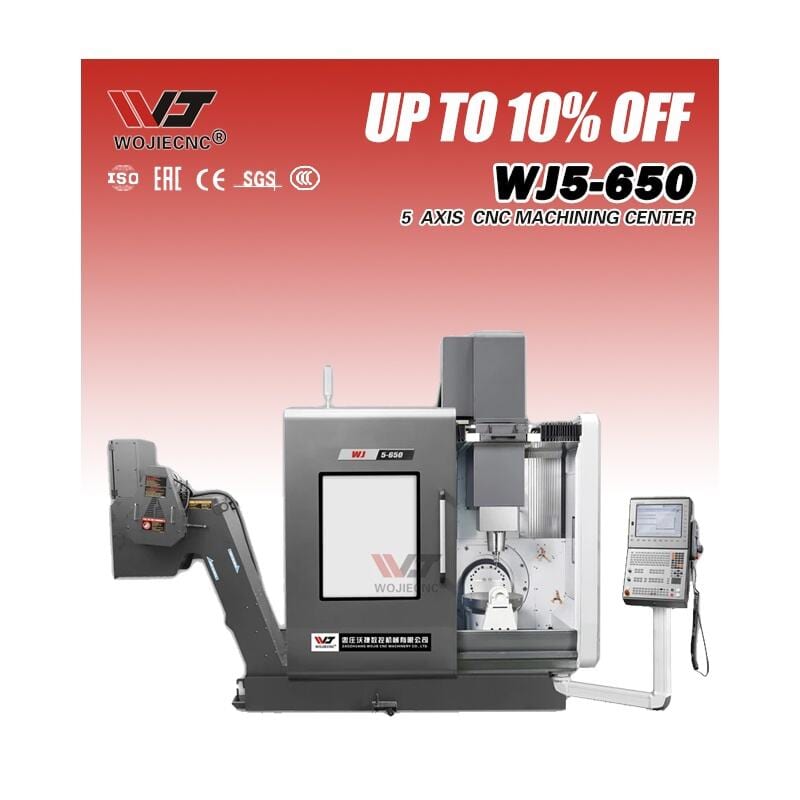
A multi axis cnc machine is a computer-controlled cutting and machining system capable of moving along multiple axes simultaneously, enabling the creation of highly complex parts with exceptional precision. Unlike standard two or three axis setups, a multi axis cnc machine operates across four, five, or even more directional planes, allowing the cutting tool or workpiece to rotate and reposition during a single operation. This capability eliminates the need for repeated manual repositioning, dramatically reducing production time and human error. The core technology relies on advanced motion controllers, servo-driven actuators, and sophisticated CAM software that translates digital 3D designs into precise toolpath commands. Real-time feedback systems monitor spindle speed, feed rate, and axis positioning to maintain consistent accuracy throughout each machining cycle. A multi axis cnc machine can work with a wide variety of materials, including aluminum, titanium, stainless steel, hardened tool steel, engineering plastics, and composite materials. Applications span across aerospace component manufacturing, medical device production, automotive tooling, mold fabrication, energy sector parts, and defense-grade hardware. Whether producing turbine blades, orthopedic implants, or complex die molds, this machine type delivers surface finishes and dimensional tolerances that manual or simpler CNC methods cannot achieve. Industries that demand tight tolerances and intricate geometries consistently turn to the multi axis cnc machine as their preferred production solution. Its ability to complete complex parts in fewer setups makes it indispensable for high-mix, low-volume environments as well as high-volume precision manufacturing operations.
Products
Popular Products
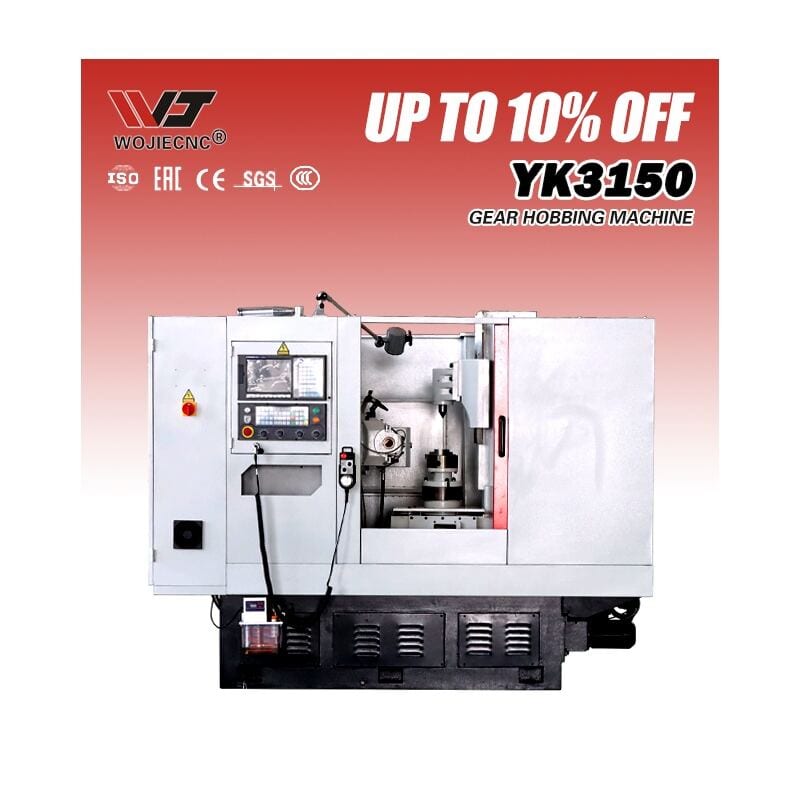
Choosing a multi axis cnc machine for your production line delivers real, measurable improvements that go well beyond what traditional machining equipment can offer. Here is a clear breakdown of the practical advantages that matter most to buyers and operators. First, a multi axis cnc machine significantly reduces the number of setups required to complete a complex part. When a single machine handles multiple angles and faces without manual repositioning, you save labor time, reduce fixturing costs, and eliminate cumulative positioning errors that stack up across multiple clamping stages. Second, the multi axis cnc machine produces superior surface finishes and tighter tolerances in a single run. This matters enormously in industries like aerospace and medical manufacturing, where a part that does not meet spec is simply rejected. Getting it right the first time means less scrap, fewer rework hours, and lower material waste. Third, operational efficiency climbs sharply because cycle times shrink when a machine can interpolate across five or more axes at once. Your shop floor processes more parts per shift without adding headcount, which directly improves your cost-per-part metric. Fourth, the multi axis cnc machine opens up your capacity to take on more demanding customer contracts. If a client needs a titanium impeller or a complex mold cavity, your ability to quote and deliver that work puts you ahead of competitors using basic three axis equipment. Fifth, modern multi axis cnc machines pair with CAM software that simplifies programming, so your team spends less time manually coding and more time running production. Sixth, reduced tool wear results from optimized cutting angles, meaning your tooling budget stretches further. Overall, investing in a multi axis cnc machine is a strategic decision that improves quality, expands your job capability, and lowers the true cost of production over time.
01
Simultaneous Multi Axis Movement for Complex Geometry
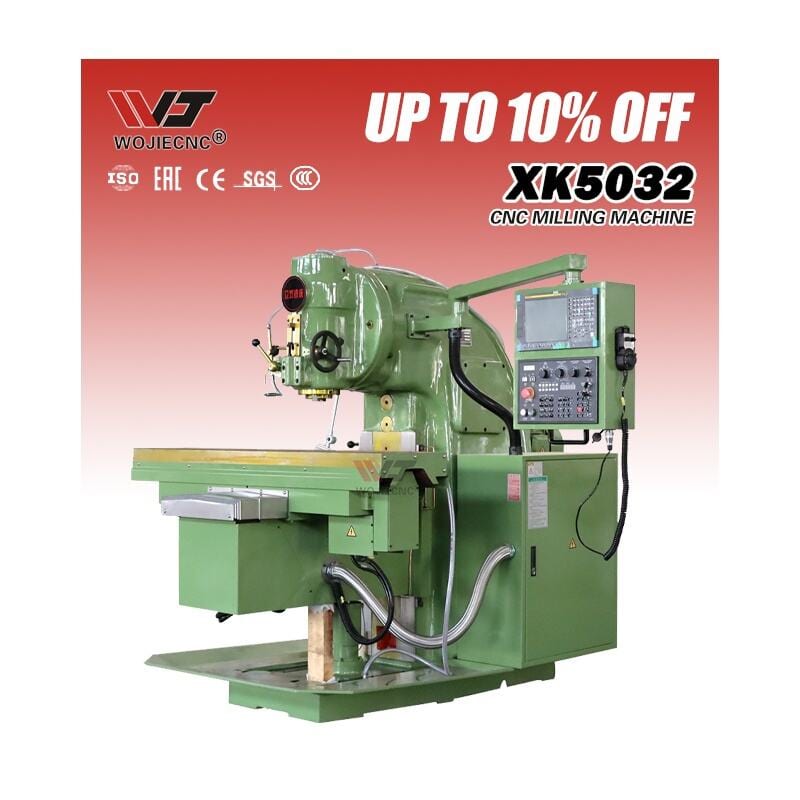
The defining strength of a multi axis cnc machine is its ability to move the cutting tool and workpiece across four, five, or more axes at the exact same time. This simultaneous interpolation means the machine can reach undercuts, compound angles, and deeply contoured surfaces that would be completely impossible on standard three axis equipment. For manufacturers working on aerospace structural components, turbine airfoils, or intricate mold cavities, this capability transforms what is achievable on the shop floor. Instead of breaking a complex part into multiple separate operations spread across different machines or setups, a single multi axis cnc machine completes the entire geometry in one continuous cycle. The result is better part accuracy, fewer handling errors, shorter lead times, and a significant competitive advantage when quoting technically demanding work. This feature alone justifies the investment for any precision-focused manufacturing business.
02
Dramatic Reduction in Setup Time and Human Error
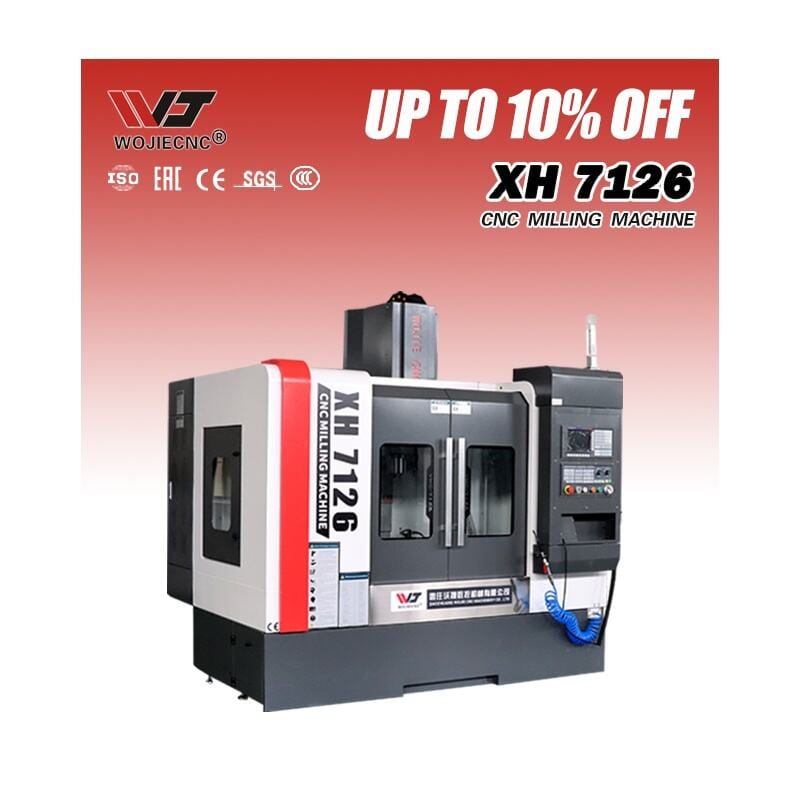
Every time an operator repositions or re-clamps a workpiece, there is a risk of introducing alignment error, surface damage, or measurement inconsistency. A multi axis cnc machine eliminates most of these risks by completing complex parts in a single clamping operation. This approach does not just save time on the shop floor. It fundamentally improves part quality by ensuring every machined surface relates to a single consistent datum. For high-volume runs, this means thousands of parts produced with identical accuracy and repeatability, which is exactly what automotive and electronics manufacturers demand. For low-volume or prototype work, it means faster turnaround and fewer costly mistakes. The reduction in setup time also means your skilled machinists spend more time overseeing productive cutting operations and less time on non-value-added clamping and alignment tasks, making your entire operation leaner and more responsive to customer demand.
03
Broad Material Compatibility Across Demanding Industries
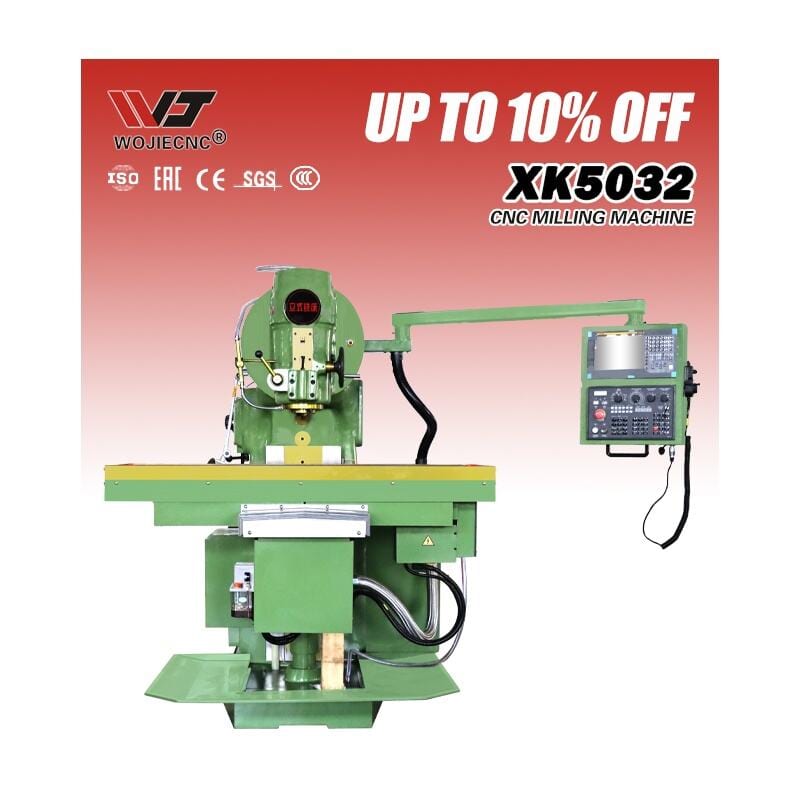
A well-configured multi axis cnc machine handles an impressive range of materials, from soft aluminum alloys used in aerospace structures to hardened tool steels used in injection mold making, as well as titanium, Inconel, engineering plastics, carbon fiber composites, and medical-grade materials. This versatility makes the multi axis cnc machine a truly flexible production asset rather than a single-purpose tool. A shop equipped with one can pursue contracts across multiple industries without retooling or investing in separate dedicated equipment. The machine adjusts cutting parameters, toolpath strategies, and spindle speeds to match each material's specific characteristics, delivering clean cuts and accurate finishes regardless of hardness or machinability rating. For businesses looking to diversify their customer base or move into higher-margin specialty markets, material versatility is a key selling point. It allows manufacturers to respond quickly to new opportunities and deliver consistent quality across every project they accept.
Articles
Tips And Tricks
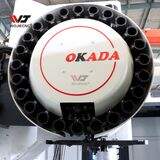
20 Aug
How can a 5 axis CNC milling machine support multi-surface machining needs?
Modern manufacturing demands precision, efficiency, and flexibility in part production. A 5 axis cnc milling machine represents a fundamental shift in how manufacturers approach complex geometries and multi-surface workpiece operations. Unlike tradit...
View More – How can a 5 axis CNC milling machine support multi-surface machining needs?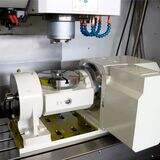
24 Aug
How do machining shops optimize workflow with a 5 axis CNC milling machine?
Machining shops operating in today's competitive landscape face constant pressure to deliver complex parts faster and more accurately. A 5 axis cnc milling machine represents a transformative solution that fundamentally changes how shops approach pro...
View More – How do machining shops optimize workflow with a 5 axis CNC milling machine?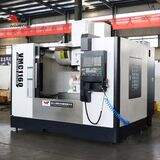
21 Aug
What key technologies define a modern 5 axis CNC milling machine?
A 5 axis cnc milling machine represents a significant advancement in manufacturing precision and capability. These systems integrate multiple cutting axes to deliver simultaneous motion in ways that traditional three-axis machines cannot achieve. Und...
View More – What key technologies define a modern 5 axis CNC milling machine?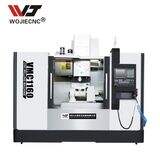
17 Aug
What makes a 5 axis CNC milling machine essential for complex industrial parts?
Modern manufacturing demands precision, speed, and the ability to handle intricate geometries that traditional machinery cannot achieve. A 5 axis CNC milling machine has become indispensable for industries requiring complex industrial parts with tigh...
View More – What makes a 5 axis CNC milling machine essential for complex industrial parts?Get a Free Quote
Our representative will contact you soon.