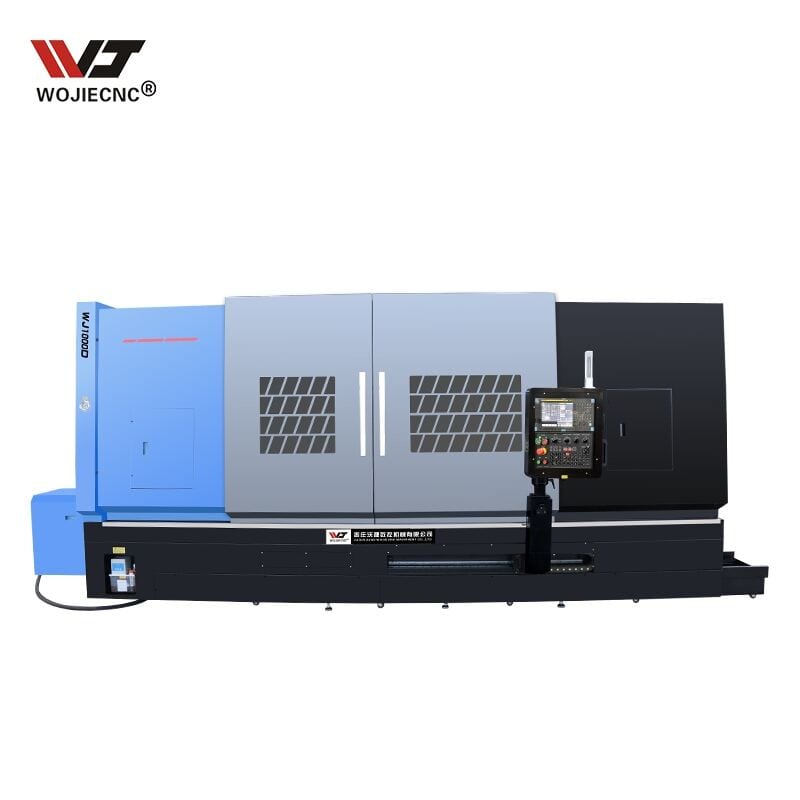
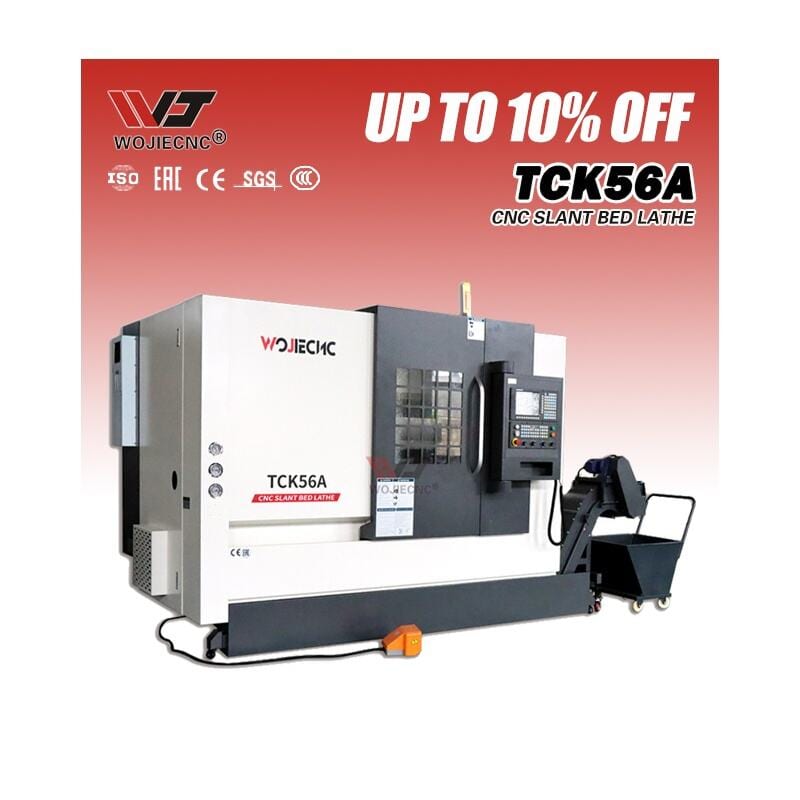
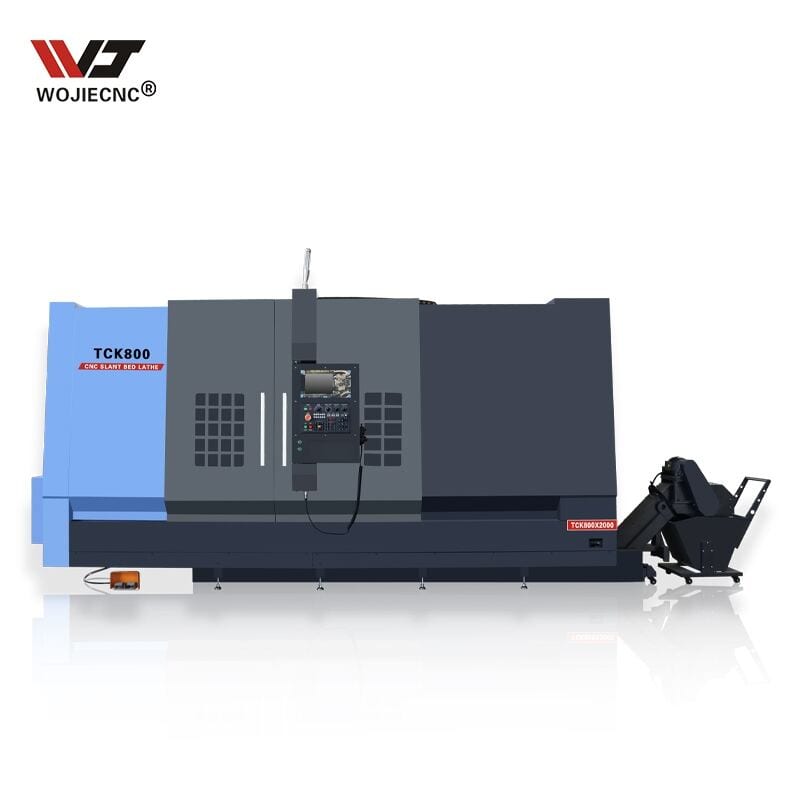
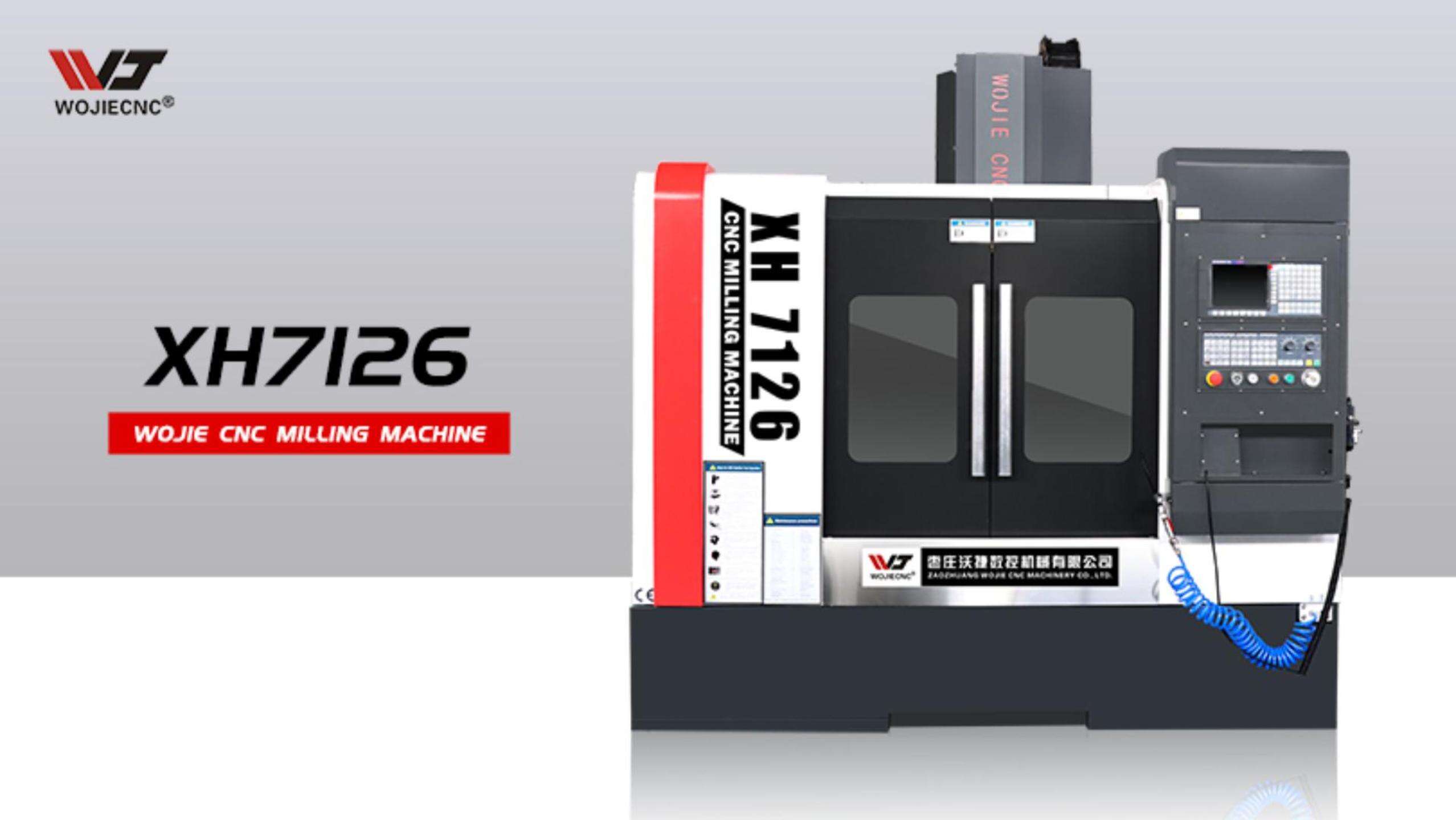
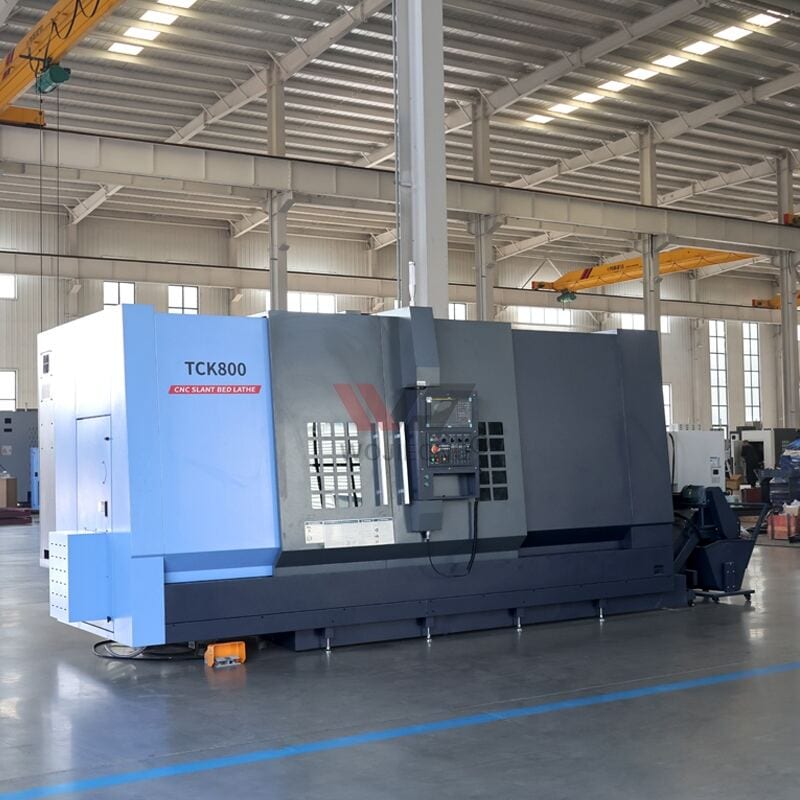
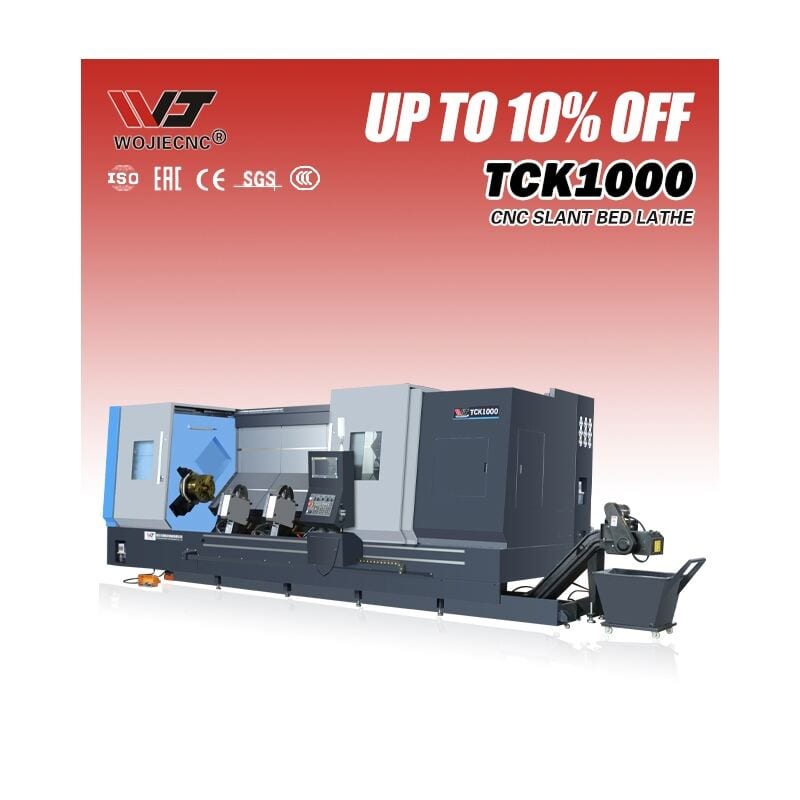
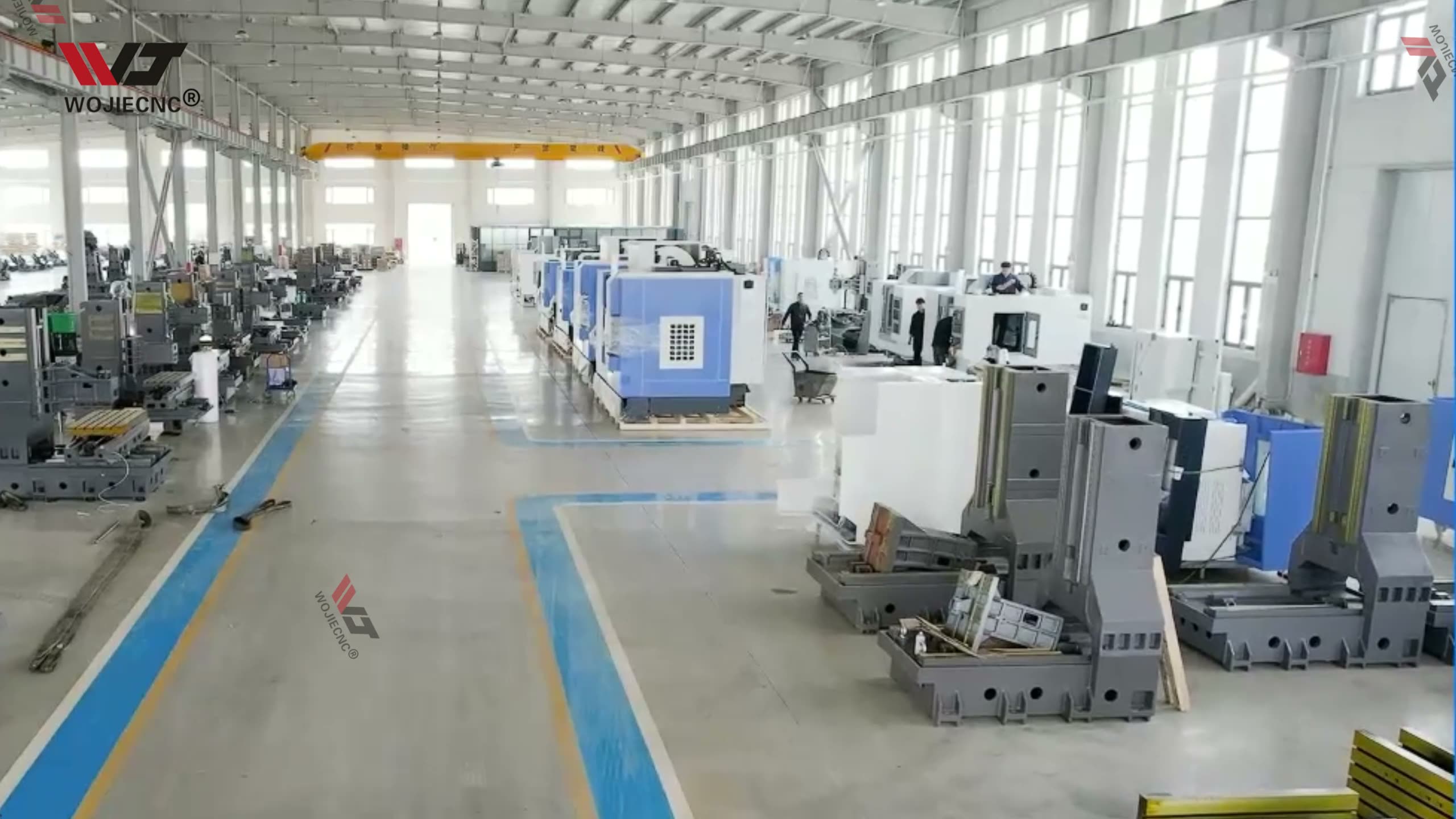
Choose a Chinese CNC lathe manufacturer by verifying five things, in this order: (1) real, inspectable production capacity; (2) certification that matches your destination market — CE for the EU, EAC for the EAEU; (3) the machine's acceptance-test standard, which for turning centres is the ISO 13041 series; (4) named component and control-system brands with a written bills-of-materials; and (5) after-sales support that includes commissioning and a documented response time.
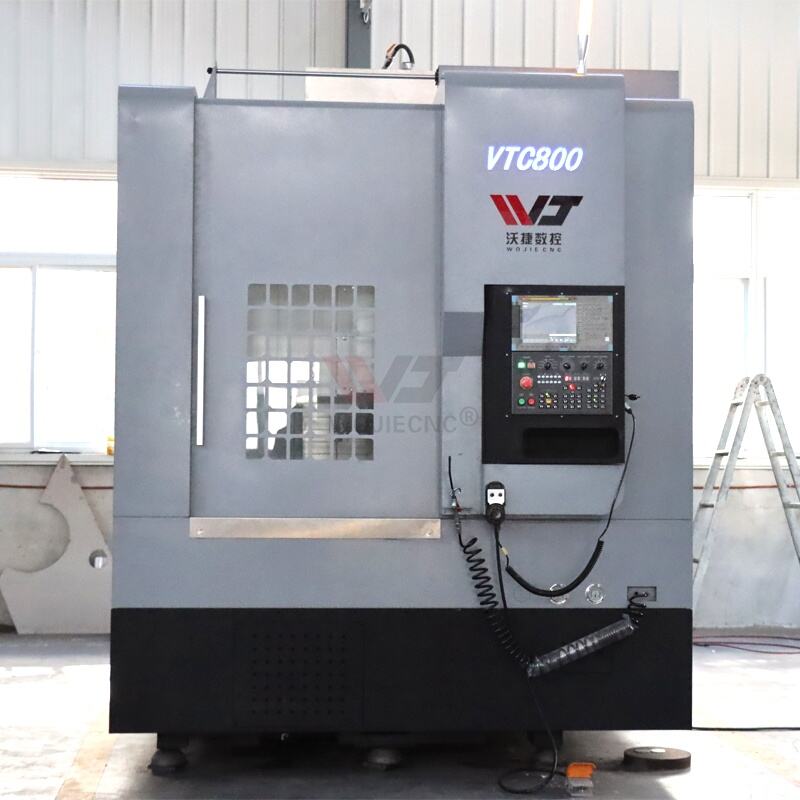
In a world obsessed with speed, automation, and digital intelligence, the lathe machine quietly continues its timeless work—spinning raw material into precision, one revolution at a time.
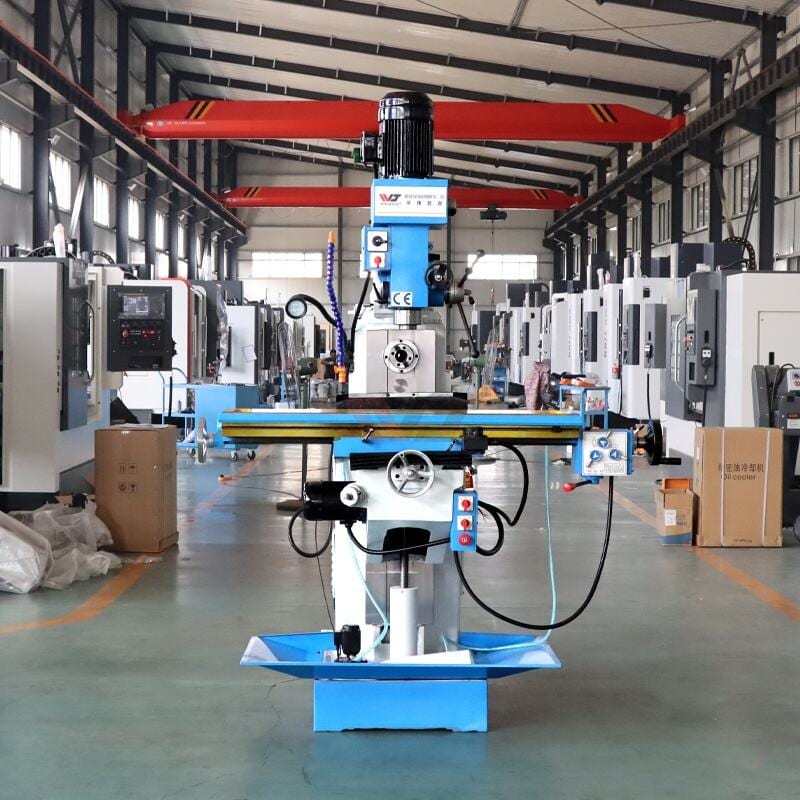
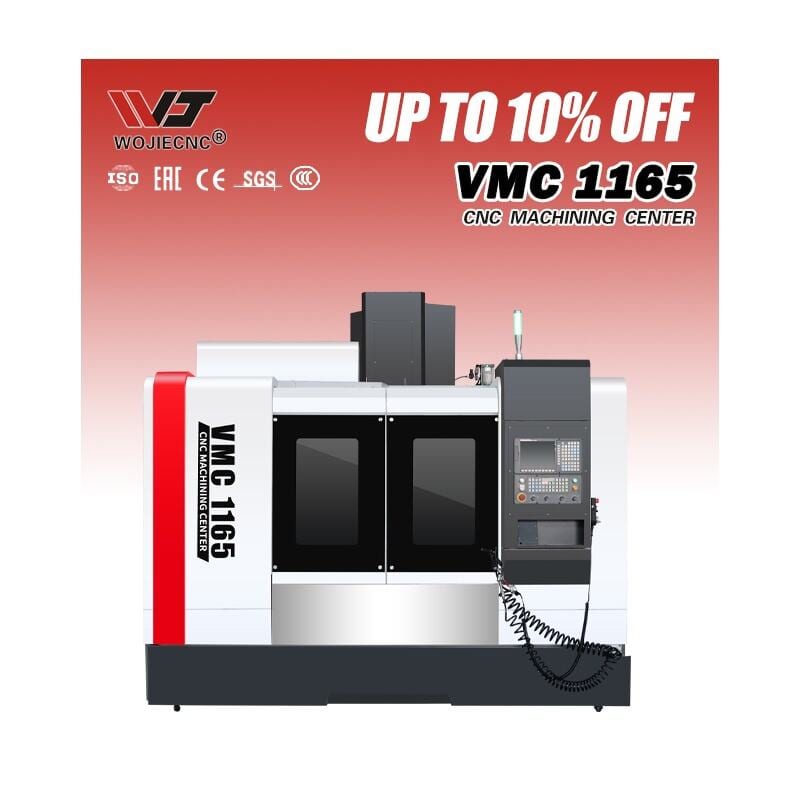
In every metal shop, aeronautics lab, robotics factory, and precision workshop, there is a single machine that quietly shapes the backbone of innovation: the milling machine.
Among all the tools humanity has crafted to shape its environment, the lathe machine stands apart as one of the earliest and most enduring companions of craftsmanship.
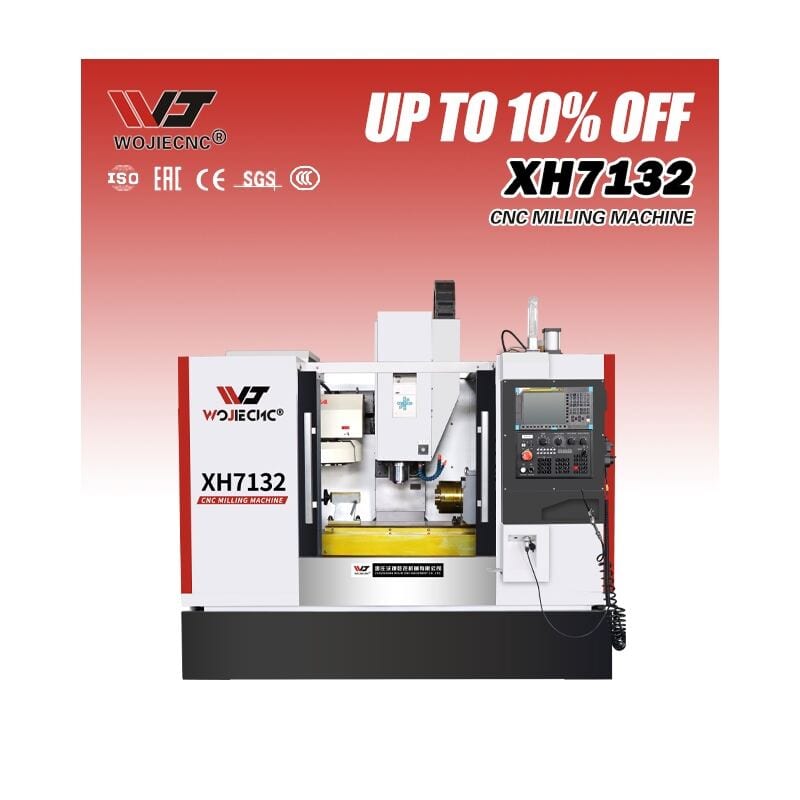
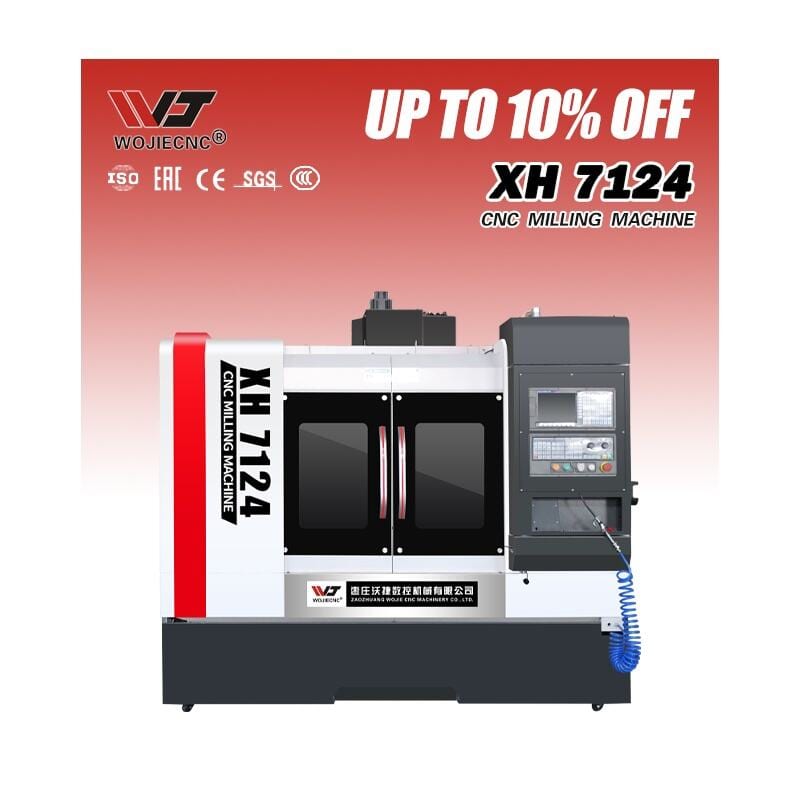
In the world of advanced manufacturing, few technologies have transformed productivity, accuracy, and repeatability as profoundly as the cnc milling machine.
In the highly competitive global CNC machinery market, where manufacturers are increasingly prioritizing efficiency, precision, and cost-effectiveness, choosing a reliable supplier is pivotal to long-term production success.
In the competitive global manufacturing landscape, choosing the right CNC machinery has become more critical than ever—especially as manufacturers face mounting pressures like rising labor costs (up 35% on average for lathe operators in Southeast Asia over the past 3 years) and stricter precision requirements (tolerances for new energy vehicle parts now often need to be within 0.02mm, down from 0.05mm a decade ago).