























horizontal machining centers factory
A horizontal machining centers factory is a specialized manufacturing facility dedicated to producing high-precision machine tools used across a wide range of industrial sectors. These factories design, engineer, and assemble horizontal machining centers, which are computer-controlled machines that orient the spindle horizontally to perform milling, drilling, boring, and tapping operations with exceptional accuracy. Unlike vertical configurations, horizontal spindle alignment allows chips to fall away naturally during cutting, reducing rework and improving surface finish quality. A well-equipped horizontal machining centers factory typically integrates advanced CNC systems, servo-driven axes, automatic tool changers, and pallet-changing mechanisms that enable continuous, unattended production cycles. The core function of such a factory is to deliver machines capable of multi-face machining in a single setup, minimizing part repositioning and human error. Technologically, these factories employ rigorous quality control protocols, including laser calibration, ballbar testing, and coordinate measuring verification, ensuring every unit meets tight geometric tolerances before shipment. Horizontal machining centers factories serve customers in aerospace, automotive, energy, mold-making, and heavy equipment manufacturing, where complex prismatic components must be produced at scale. By combining robust structural designs with intelligent control software, a horizontal machining centers factory helps manufacturers achieve higher throughput, lower scrap rates, and reduced cycle times. Whether a buyer needs a compact four-axis machine or a full five-axis traveling-column system, sourcing from a reputable horizontal machining centers factory ensures reliability, technical support, and long-term parts availability, making it a strategic investment for any precision machining operation.
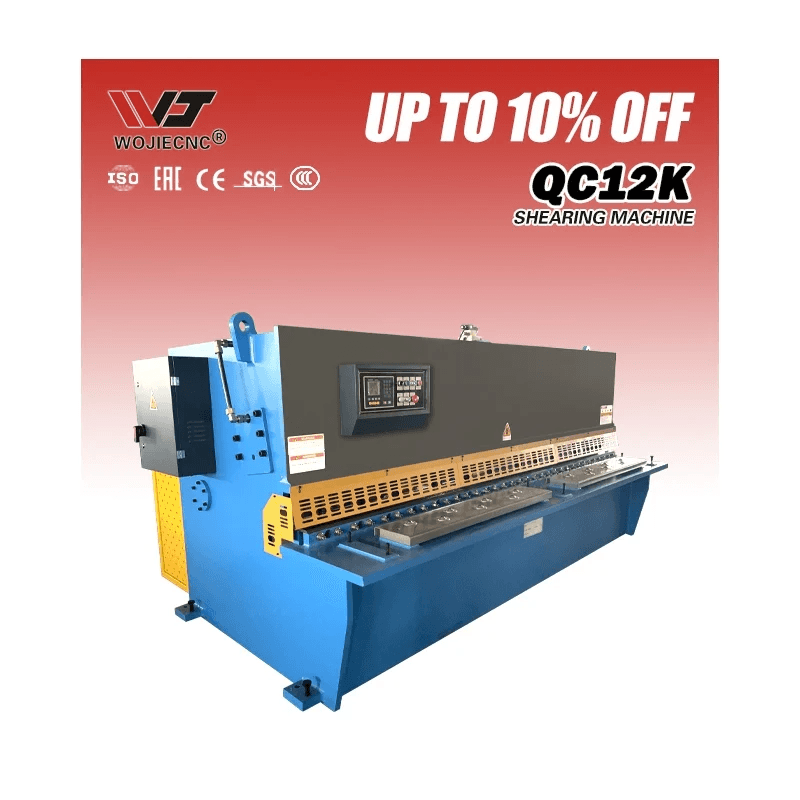
Choosing the right horizontal machining centers factory gives manufacturers a concrete edge in daily production. Here is why buyers consistently find value in partnering with a dedicated facility. First, a horizontal machining centers factory builds machines that handle multi-sided part processing without repeated fixturing. This single-setup capability cuts labor hours, lowers the chance of alignment errors, and speeds up delivery times for finished components. Customers see measurable reductions in work-in-process inventory almost immediately after installation. Second, factories that specialize in horizontal machining centers invest heavily in structural rigidity. Cast iron or polymer concrete bases absorb vibration better than lighter alternatives, which means cutting tools last longer and surface finishes meet tighter specifications. Buyers spend less on tooling replacements and rework, directly improving their cost per part. Third, a horizontal machining centers factory typically integrates pallet pool systems that let operators load raw workpieces on one pallet while the machine cuts on another. This overlap eliminates idle spindle time and keeps utilization rates above eighty percent in many production environments. The result is higher output without adding headcount. Fourth, modern factories equip their machines with open-architecture CNC platforms, making it straightforward for engineers to upload programs, monitor diagnostics remotely, and connect to factory floor data systems. This connectivity supports lean manufacturing goals and predictive maintenance schedules. Fifth, reputable manufacturers back their equipment with comprehensive after-sale services, including on-site commissioning, operator training, and guaranteed spare parts supply for a minimum of ten years. Buyers in automotive, aerospace, and energy sectors value this long-term support because unplanned downtime carries steep costs. Altogether, selecting a proven horizontal machining centers factory means investing in uptime, precision, and total cost savings across the machine lifecycle.
01
Precision Engineering and Structural Integrity
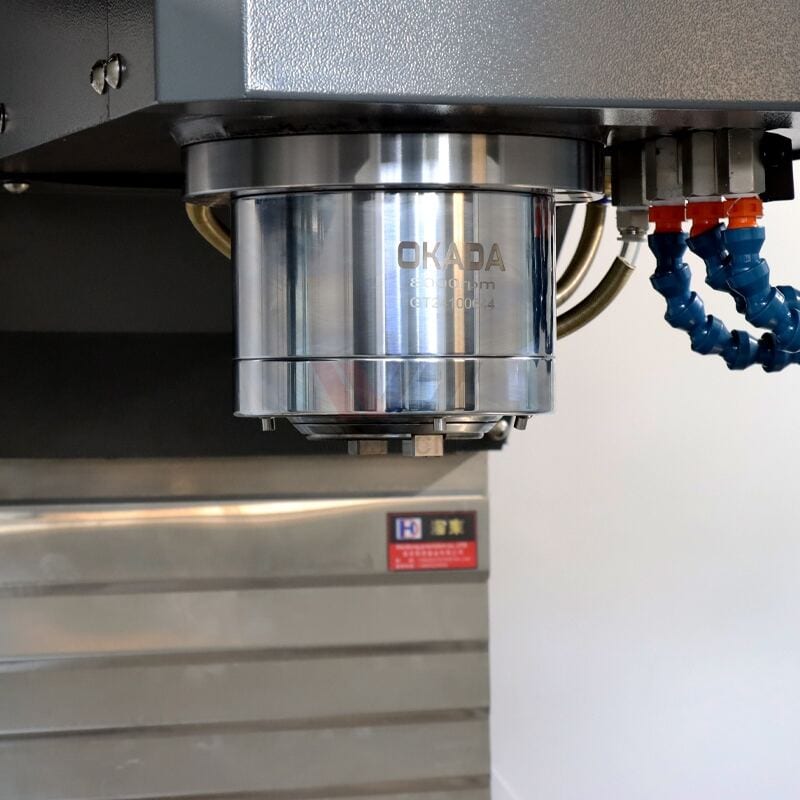
Every machine that leaves a top-tier horizontal machining centers factory is built around a foundation of structural precision. The machine beds are crafted from high-grade Meehanite cast iron or thermally stable polymer concrete, both of which dampen vibration far more effectively than welded steel frames. This approach ensures consistent dimensional accuracy even during aggressive cutting passes on tough alloys like titanium or hardened tool steel. Linear guideways and precision ballscrews are matched and pre-loaded to eliminate backlash, while thermal compensation software continuously adjusts for spindle growth during extended production runs. Factories apply finite element analysis during the design phase to identify and eliminate potential resonance points before any prototype is built. The outcome is a machine that holds tolerances within two microns across thousands of production cycles, giving buyers confidence that every part produced meets drawing requirements without manual intervention or frequent recalibration.
02
Flexible Automation Ready for High-Volume Demands
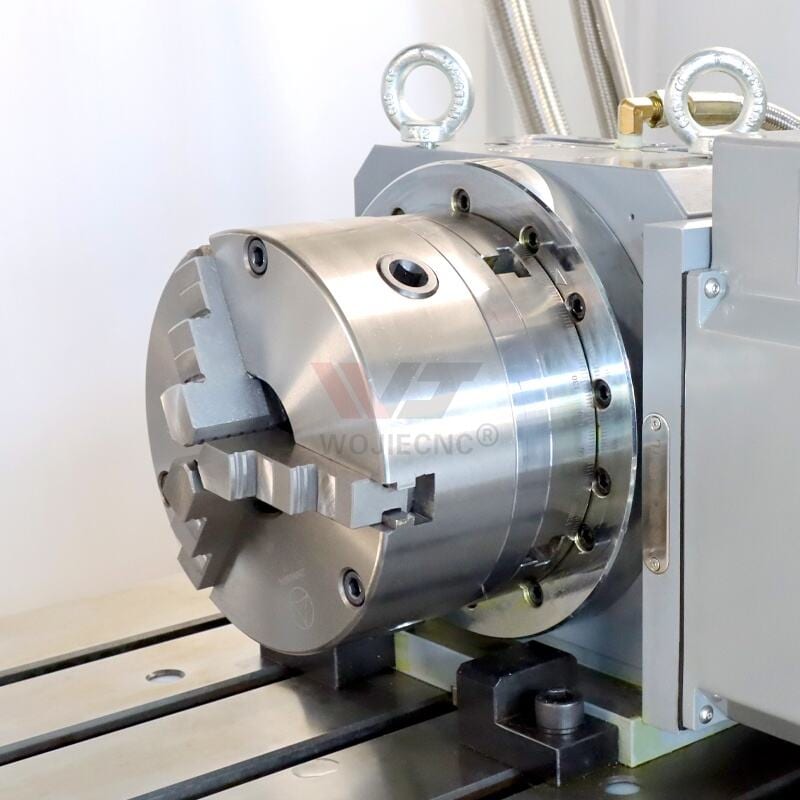
A forward-thinking horizontal machining centers factory designs its equipment with automation compatibility as a standard feature rather than an afterthought. Integrated pallet changers, robotic loading interfaces, and modular conveyor connections allow manufacturers to scale from standalone operation to fully automated cells with minimal retrofitting. The automatic tool changer magazines typically hold sixty to two hundred tools, supporting complex job sequences without operator interruption. Standardized communication protocols such as MTConnect and OPC-UA enable seamless data exchange with manufacturing execution systems and enterprise resource planning software. This connectivity gives production managers real-time visibility into spindle utilization, tool life, and alarm histories. Buyers in high-volume automotive and aerospace environments rely on these features to maintain output consistency across multiple shifts. When demand spikes, the same horizontal machining centers factory platform scales up through additional pallet stations rather than requiring entirely new equipment investments.
03
Comprehensive Support and Lifecycle Value
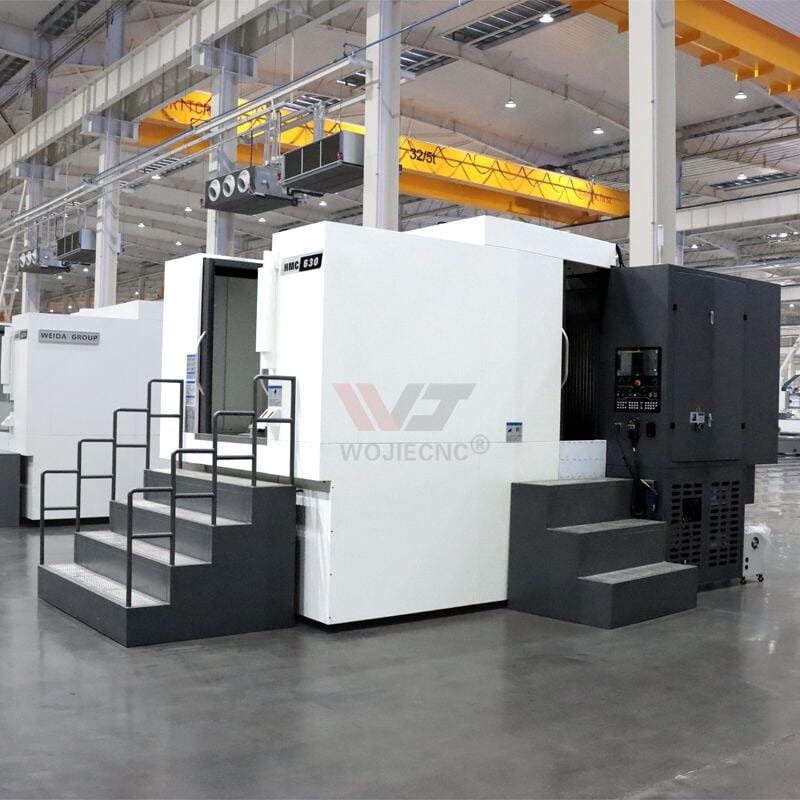
Purchasing from a trusted horizontal machining centers factory extends well beyond the initial transaction. Reputable factories provide detailed installation planning, foundation drawings, utility specifications, and pre-delivery acceptance testing to ensure the machine arrives ready for production. On-site commissioning teams verify geometric accuracy, spindle performance, and control system functionality before handing the machine over to the customer. Structured operator training programs, available both in-person and through online platforms, help teams reach full productivity faster. Long-term value is reinforced through guaranteed spare parts availability for a minimum decade, local service networks, and remote diagnostic tools that allow factory engineers to identify and resolve issues without travel delays. Scheduled maintenance programs with fixed annual costs help buyers budget accurately and avoid surprise repair bills. This complete support framework means the total cost of ownership stays predictable, making the horizontal machining centers factory partnership a sound long-term business decision for precision manufacturers worldwide.
Articles
Latest News
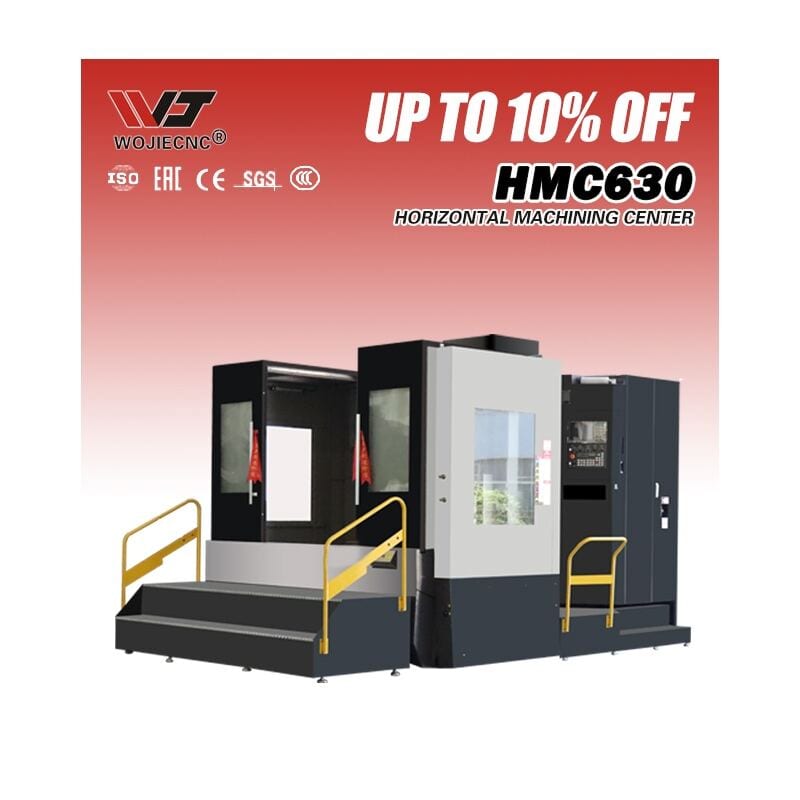
29 Jul
Where does a horizontal machining center outperform traditional machining setups?
Modern manufacturing demands precision, speed, and reliability that traditional machining setups struggle to deliver consistently. A horizontal machining center addresses these limitations by combining advanced automation, multi-axis capability, and ...
View More – Where does a horizontal machining center outperform traditional machining setups?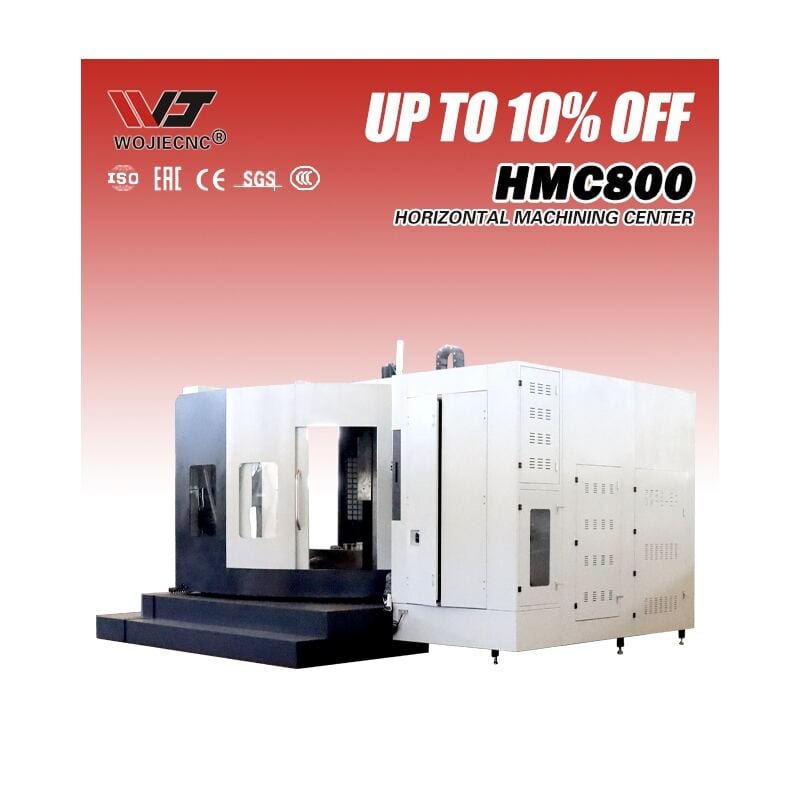
22 Jul
Which horizontal machining center design ensures stable long-term precision?
Achieving stable long-term precision in modern manufacturing demands more than purchasing equipment—it requires understanding which horizontal machining center design principles protect accuracy over years of continuous production. A horizontal...
View More – Which horizontal machining center design ensures stable long-term precision?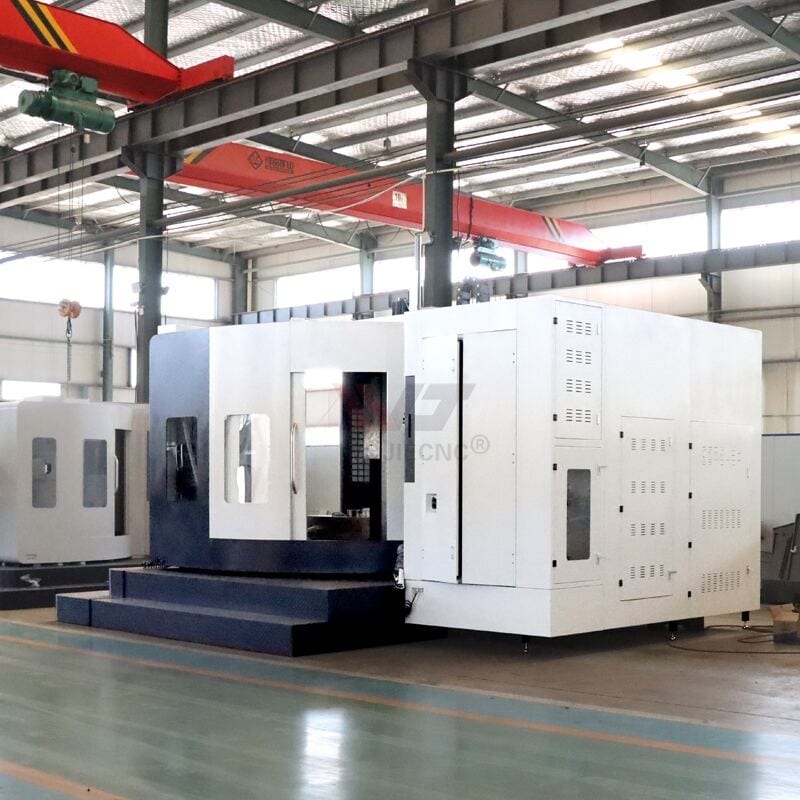
15 Jul
What advantages does a horizontal machining center bring to heavy-part machining?
Heavy-part machining demands equipment that combines precision, stability, and efficiency in one integrated system. A horizontal machining center represents a transformational approach to manufacturing large, complex components with superior accuracy...
View More – What advantages does a horizontal machining center bring to heavy-part machining?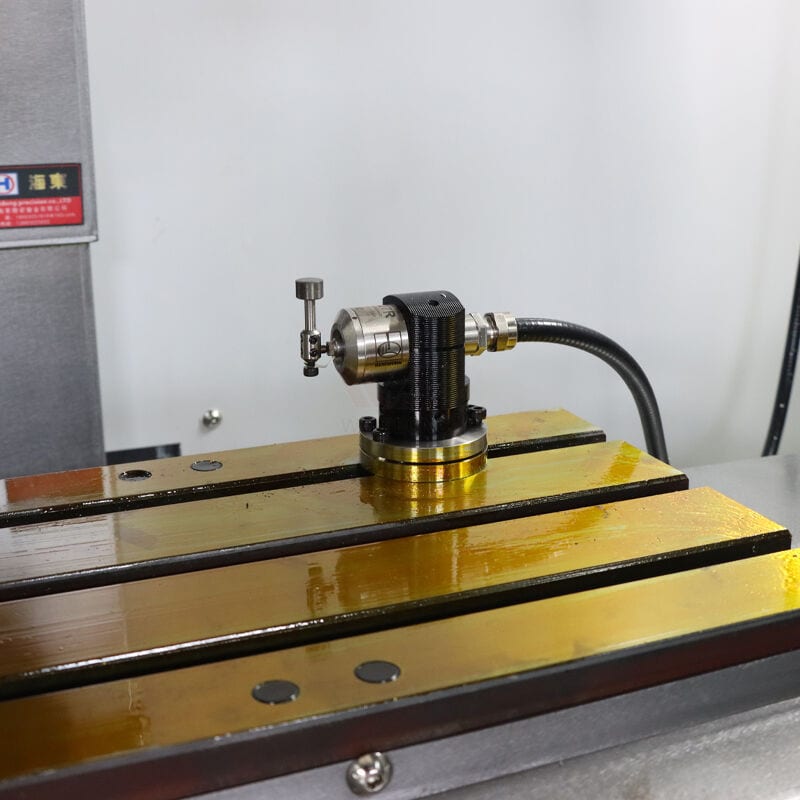
27 Apr
How can CNC milling help manufacturers reduce production waste and cost?
Manufacturing efficiency and cost control have become critical priorities for industrial operations facing increasing global competition and tightening profit margins. Manufacturers across aerospace, automotive, medical device, and general engineerin...
View More – How can CNC milling help manufacturers reduce production waste and cost?Get a Free Quote
Our representative will contact you soon.