
























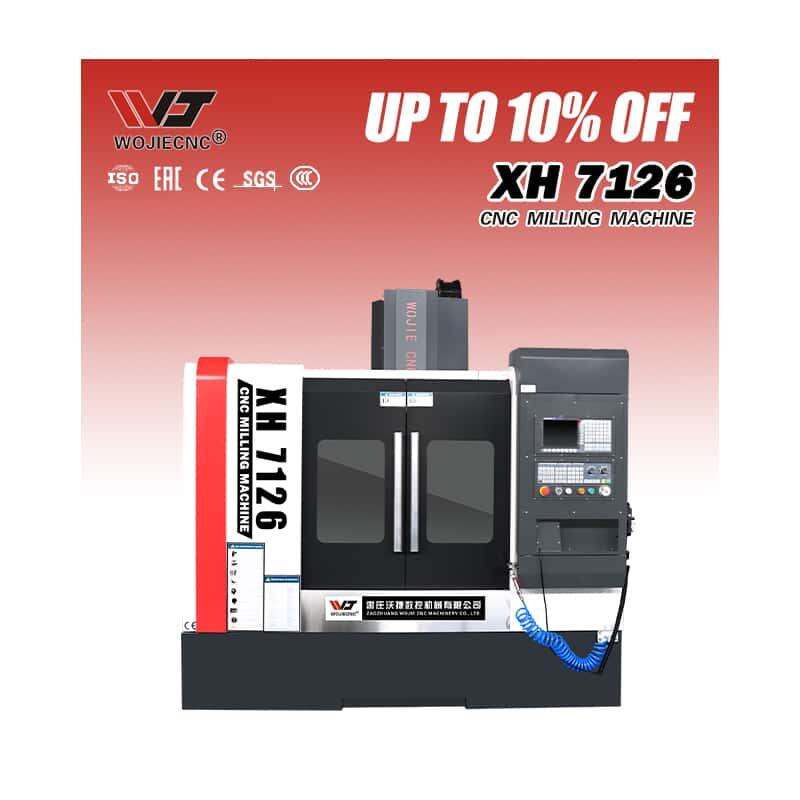
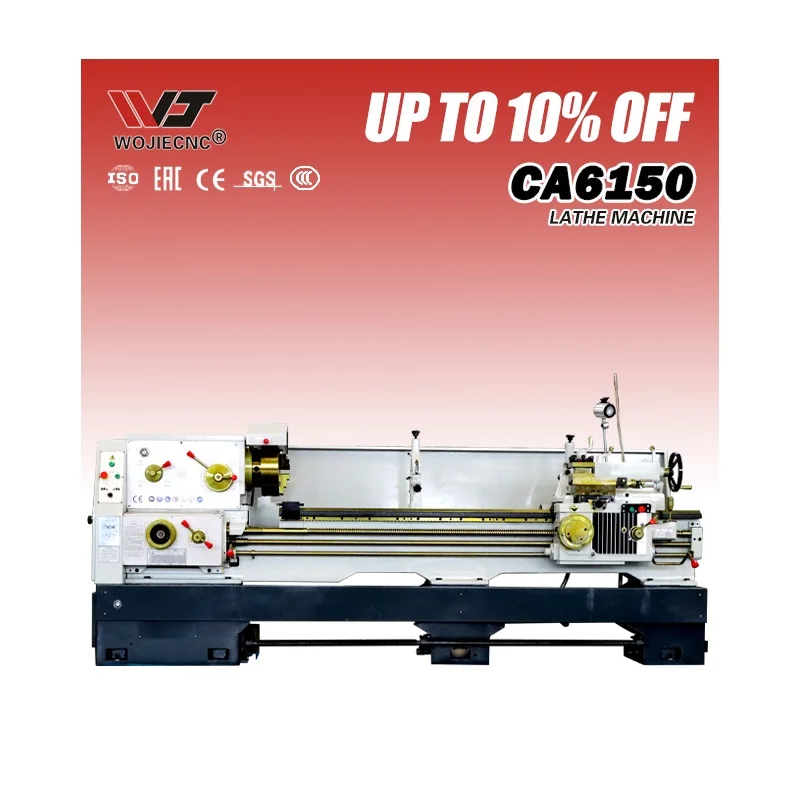
flat bed cnc lathe
A flat bed cnc lathe is a precision machine tool designed to shape, cut, and finish metal workpieces with exceptional accuracy. Unlike slant bed designs, the flat bed cnc lathe features a horizontal bed structure that provides superior rigidity and stability during heavy-duty cutting operations. This configuration allows the machine to handle larger, heavier workpieces without compromising dimensional accuracy or surface quality. Controlled by a computer numerical control system, the flat bed cnc lathe executes complex turning programs automatically, reducing manual intervention and minimizing human error. Core functions include outer diameter turning, inner bore machining, threading, facing, grooving, and taper turning. Advanced models integrate live tooling spindles, enabling milling and drilling without repositioning the workpiece. Technologically, the flat bed cnc lathe incorporates high-torque servo motors, precision ball screws, and thermally compensated spindle bearings that sustain tight tolerances across extended production runs. Modern control interfaces support ISO G-code programming along with conversational input, making setup faster for operators of varying skill levels. Applications span a broad range of industries, including aerospace, automotive, oil and gas, heavy equipment manufacturing, and general engineering. The machine excels at producing shafts, flanges, bushings, cylinders, and custom rotational components at both prototype and high-volume production scales. Its robust construction and versatile capability make the flat bed cnc lathe a foundational asset for any machine shop seeking reliable, repeatable, and cost-effective turning solutions. Whether you are processing mild steel, stainless steel, aluminum, titanium, or exotic alloys, this machine consistently delivers the precision and throughput modern manufacturing demands.
Choosing a flat bed cnc lathe delivers measurable practical benefits that directly impact your shop floor productivity and bottom line. First, the rigid horizontal bed design absorbs cutting vibrations far more effectively than lighter-frame alternatives, which means your finished parts carry smoother surfaces and tighter tolerances right off the machine. You spend less time on secondary finishing operations, and scrap rates drop noticeably. Second, the flat bed cnc lathe handles a much wider range of workpiece diameters and lengths compared to compact turning centers. If your orders frequently include large-diameter flanges, long shafts, or heavy castings, this machine gives you the swing and bed capacity to take on those jobs confidently. Third, automation through CNC control lets one operator supervise multiple cycles simultaneously. Once the program is set and the first part passes inspection, the flat bed cnc lathe runs consistently without constant manual adjustment. This directly reduces labor cost per part and shortens lead times for repeat orders. Fourth, modern flat bed cnc lathe models accept quick-change tooling systems, allowing you to switch between jobs rapidly and reduce machine downtime between setups. For job shops managing diverse part families, this flexibility translates into higher machine utilization and faster customer delivery. Fifth, the structural durability of a flat bed cnc lathe supports a long service life even under continuous heavy-cutting conditions. Maintenance schedules are predictable, spare parts are widely available, and resale value remains strong compared to specialized or niche machine configurations. Finally, compatibility with standard G-code and popular CAM software means your existing programming team can start producing parts quickly without expensive retraining. All these factors combine to make the flat bed cnc lathe a smart, versatile investment for shops prioritizing quality, efficiency, and long-term operational value.
01
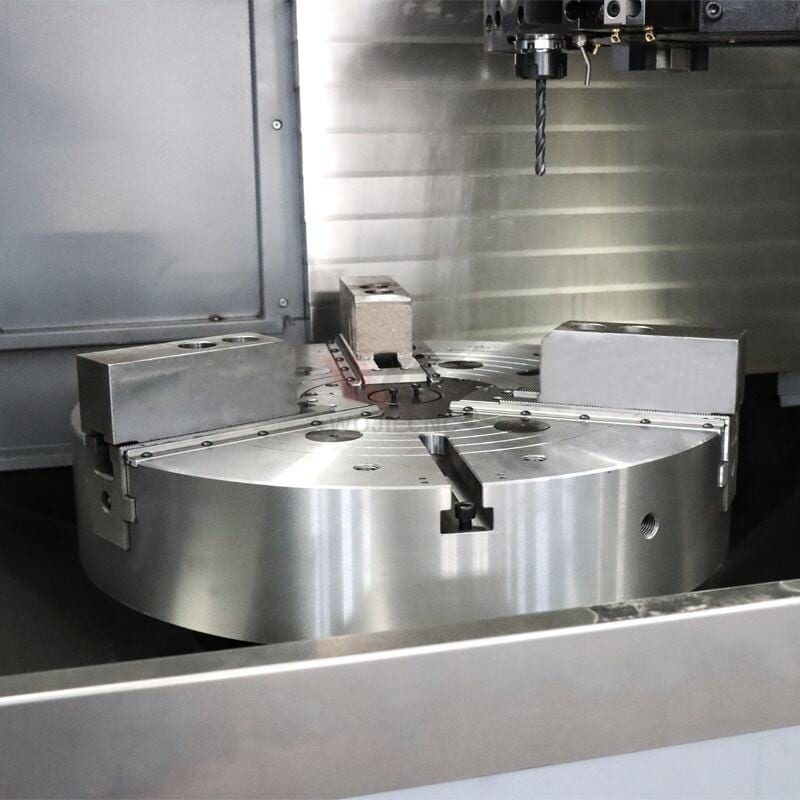
Heavy-Duty Rigidity for Consistent Precision
The structural foundation of a flat bed cnc lathe sets it apart from lighter turning alternatives. The thick, stress-relieved cast iron bed resists deflection under aggressive cutting loads, ensuring that every pass across the workpiece maintains dimensional consistency. This rigidity is especially valuable when machining hard materials such as stainless steel, Inconel, or hardened tool steels, where cutting forces are significant and any flex in the machine frame translates directly into dimensional errors. Because the flat bed cnc lathe holds its geometry over years of continuous use, you get repeatable accuracy across thousands of parts without frequent realignment procedures. Shops running aerospace or automotive components with strict tolerance requirements benefit enormously from this stability, reducing inspection failures and rework costs over the entire production lifecycle.
02
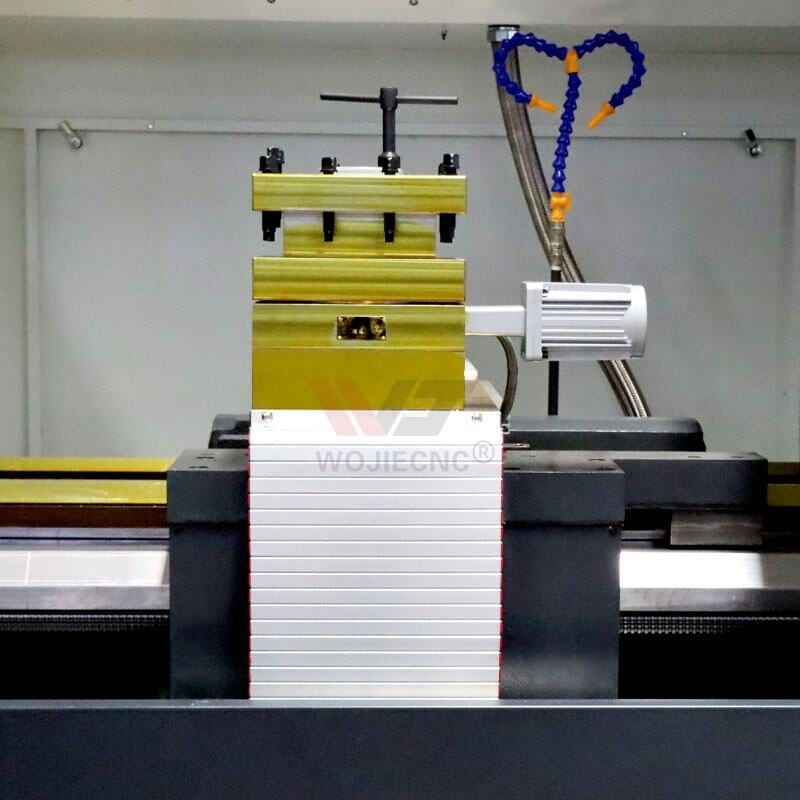
Versatile Capacity Across a Wide Part Range
One of the strongest selling points of the flat bed cnc lathe is its ability to accommodate an exceptionally wide variety of workpiece sizes and materials within a single platform. The generous swing-over-bed and extended distance between centers allow operators to transition from small precision bushings to large-diameter pressure vessel components without switching machines. This versatility eliminates the capital cost of maintaining multiple specialized lathes for different part families. Additionally, optional live tooling and C-axis control on a flat bed cnc lathe enable combined turning and milling operations in one setup, reducing total cycle time and eliminating repositioning errors. For contract manufacturers and job shops that serve multiple industries simultaneously, this broad capability means faster quoting, shorter lead times, and a stronger competitive position in the market.
03
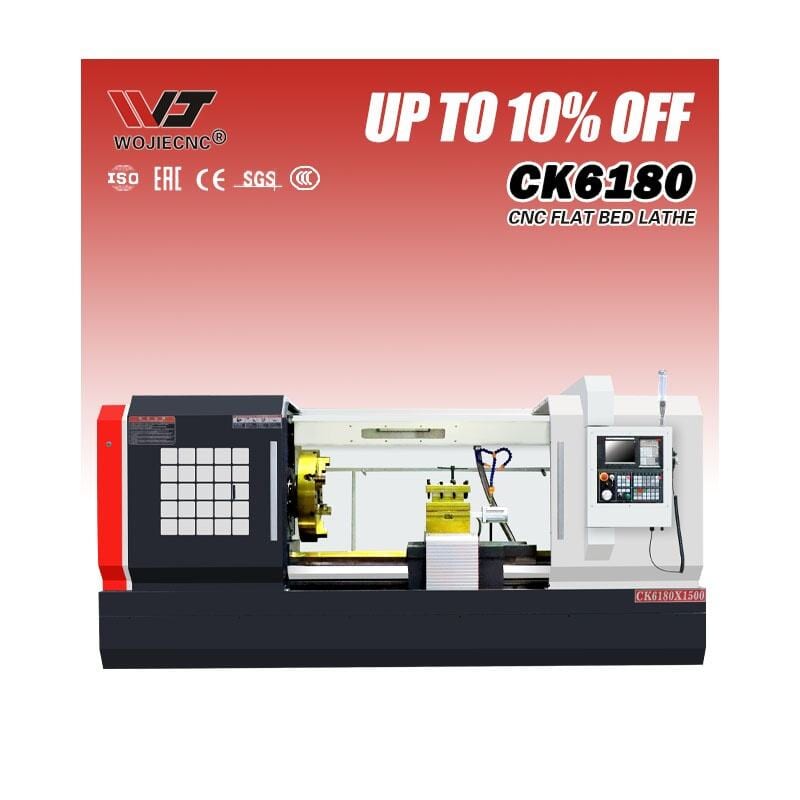
Operator-Friendly CNC Control and Smart Automation
Modern flat bed cnc lathe machines come equipped with intuitive CNC controllers that simplify programming and daily operation for machinists at every experience level. Conversational programming interfaces allow operators to define part geometry through guided menus rather than writing complex G-code from scratch, which dramatically shortens setup time for new jobs. Integrated tool management systems track insert wear and prompt timely replacements before quality degrades, reducing unexpected scrap. Automatic tool setting probes measure offsets in seconds, eliminating manual gauge measurements and reducing setup errors. Many flat bed cnc lathe models also support network connectivity, allowing direct transfer of programs from CAD/CAM systems to the machine control and enabling remote monitoring of spindle load, cycle status, and alarms. These smart automation features collectively lower the skill barrier for routine production while raising overall output quality and machine utilization rates.
Articles
Practical Tips
09 Feb
How can a CNC lathe reduce labor cost in machining operations?
Manufacturing companies across the globe are constantly seeking innovative ways to optimize their production processes while maintaining competitive operational costs. The integration of automated machining solutions has revolutionized how businesses...
View More – How can a CNC lathe reduce labor cost in machining operations?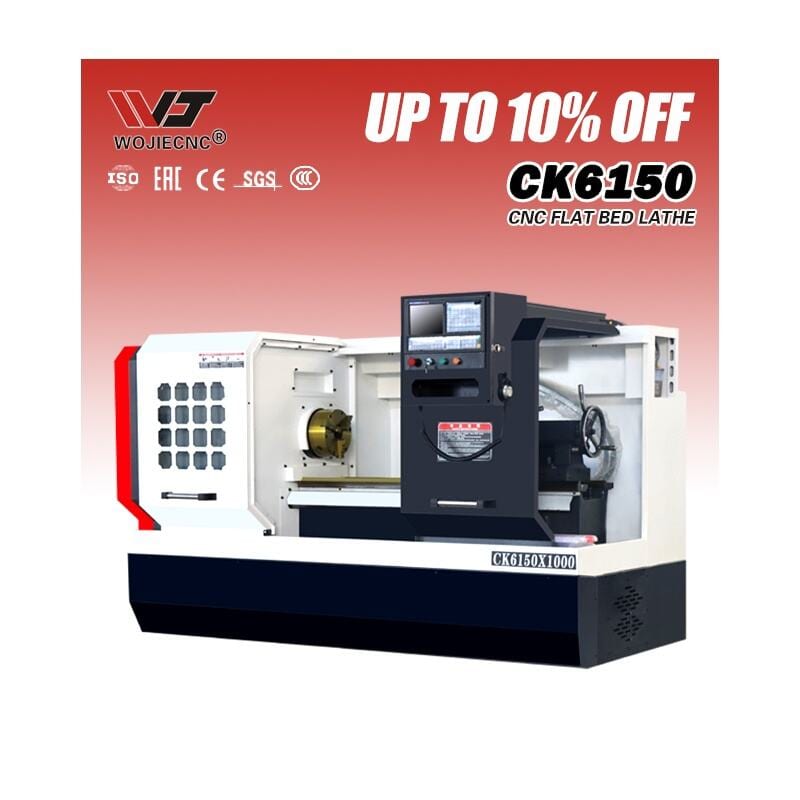
26 Feb
How can a CNC lathe streamline the production of complex components?
Manufacturing complex components efficiently requires precision, speed, and reliability that traditional machining methods often struggle to deliver. A cnc lathe represents a transformative solution for manufacturers seeking to optimize their product...
View More – How can a CNC lathe streamline the production of complex components?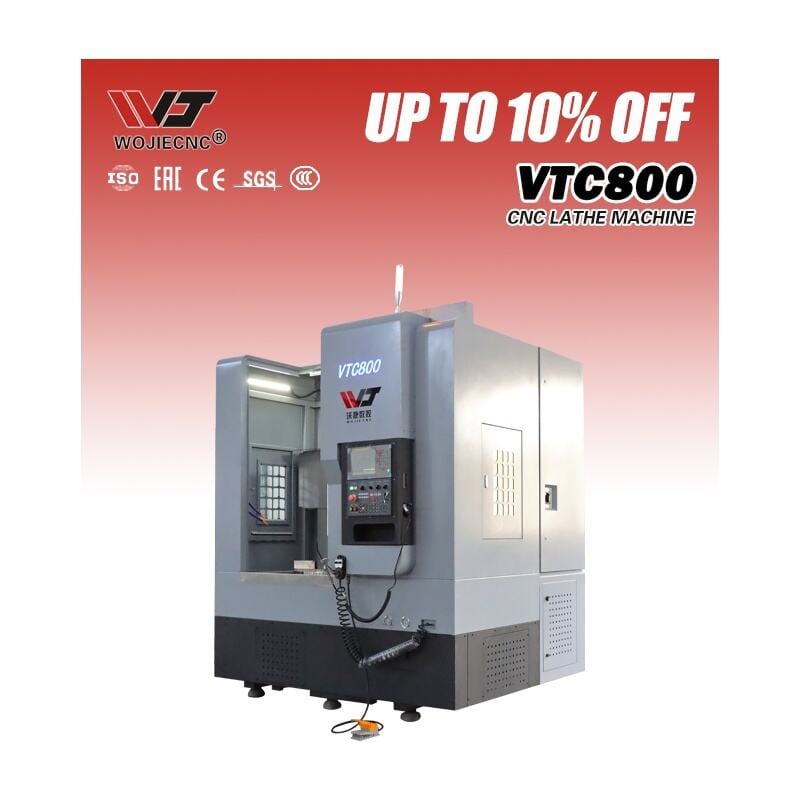
20 Aug
How can factories improve accuracy by switching to a CNC vertical lathe?
Factory precision depends heavily on equipment reliability and operational capability. When manufacturers face recurring tolerance issues, part rejection rates, and production delays, the root cause often traces back to outdated or inadequate machini...
View More – How can factories improve accuracy by switching to a CNC vertical lathe?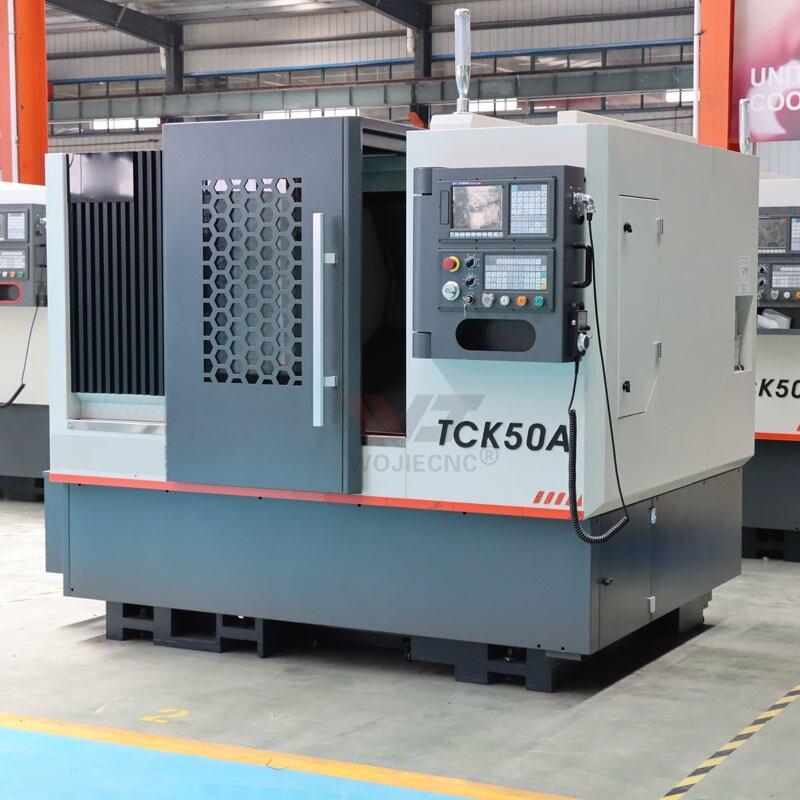
04 Feb
How does a CNC lathe enhance precision for mass-production turning jobs?
Modern manufacturing demands exceptional precision and consistency, especially when handling high-volume production runs. A cnc lathe represents the cornerstone of precision machining, delivering unmatched accuracy and repeatability that traditional ...
View More – How does a CNC lathe enhance precision for mass-production turning jobs?Get a Free Quote
Our representative will contact you soon.